> For the complete documentation index, see [llms.txt](https://docs.cloudeka.ai/llms.txt). Markdown versions of documentation pages are available by appending `.md` to page URLs; this page is available as [Markdown](https://docs.cloudeka.ai/reference/deployment-llama-3.1-70b-with-vllm-on-kubernetes/create-secret-for-hugging-face-token.md).
# Create Secret for Hugging Face Token
Create a secret to store the Hugging Face token. If you are using a Linux operating system, then run the following syntax to create the pvc.yaml file.
```bash
nano secret.yaml
```
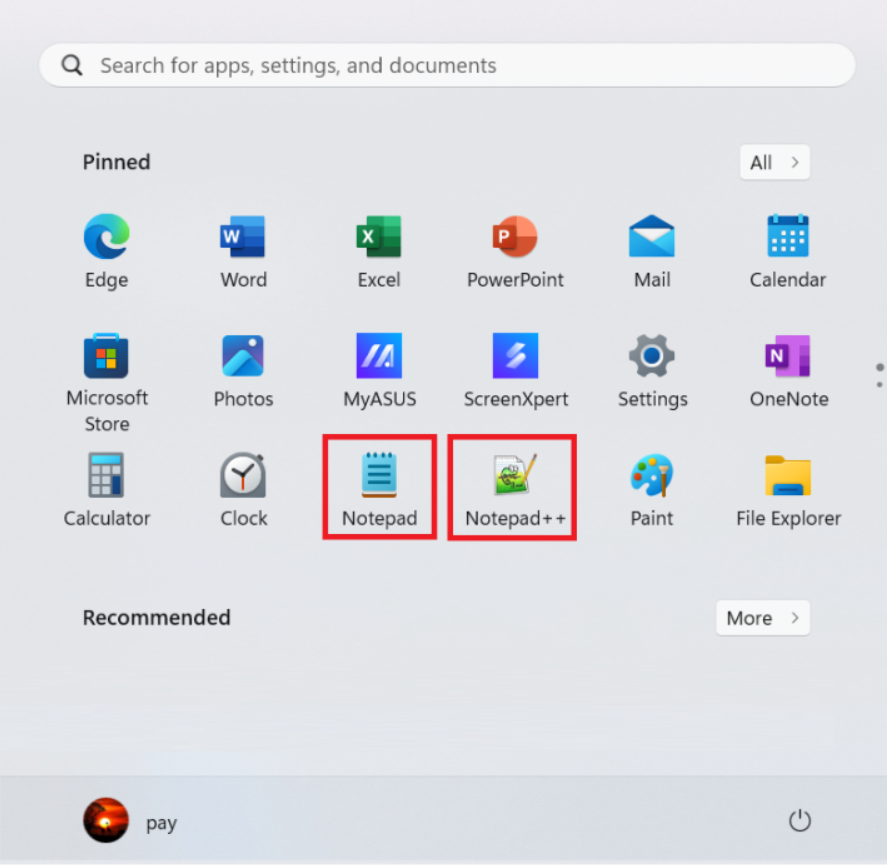
If you are using a Windows operating system, open a text editor such as Notepad or Notepad++.
Text Editor
Enter the following syntax.
{% hint style="danger" %}
Replace `your-hugging-face-token-base64`with the base64-encoded version of your actual Hugging Face token. Click this link for further explanation.
{% endhint %}
```yaml
apiVersion: v1
kind: Secret
metadata:
name: hf-token-secret
namespace: vllm
type: Opaque
data:
token: your-hugging-face-token-base64
```
If you are using a **Linux** operating system, run the following syntax but If you are using a **Windows** operating system, after save the file as secret.yaml, in CMD navigate to the folder that contains the secret.yaml file and run the following syntax.
```bash
kubectl apply -f secret.yaml
```
success create
{% hint style="warning" %}
To delete the secret.yaml configuration that has been applied, run the following syntax.
```bash
kubectl delete -f secret.yaml -n [namespace]
```
**Replace \[namespace] with the namespace you created in the sub-chapter** [**Create Namespace**](/reference/deployment-llama-3.1-70b-with-vllm-on-kubernetes/create-namespace.md)**.**
{% endhint %}